
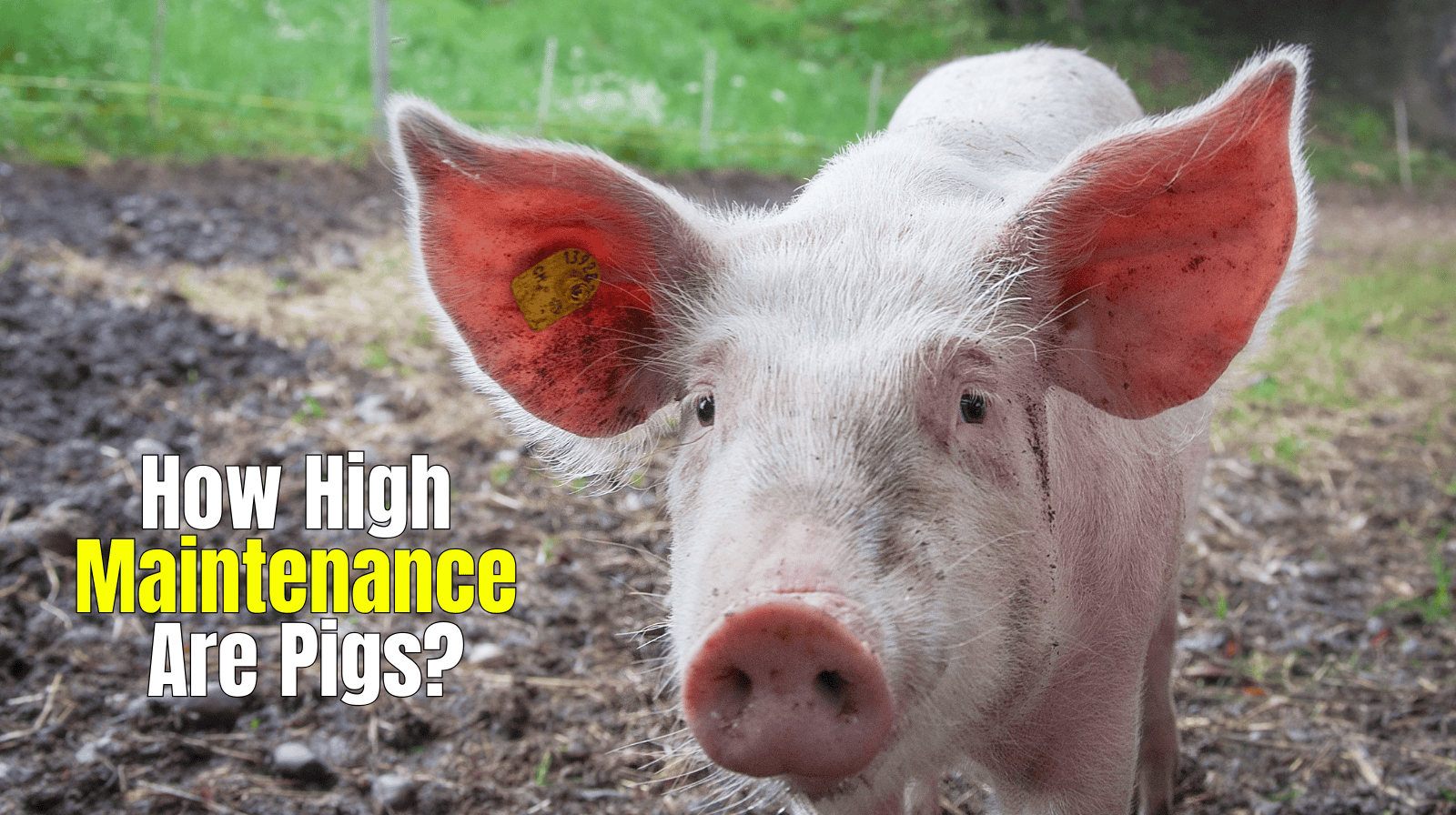
Pigs, often associated with intelligence, curiosity, and an endearing charm, have become increasingly popular as pets and companions in recent years. However, the decision to welcome a pig into one’s life entails understanding their unique needs, behaviors, and maintenance requirements. Contrary to common misconceptions, pigs are not inherently high-maintenance animals, but their care does demand attention, commitment, and a comprehensive understanding of their welfare.
The Myth of High Maintenance
Misconceptions surrounding the maintenance of pigs often stem from stereotypes perpetuated by popular culture and an incomplete understanding of their care requirements. While pigs do have specific needs that differ from traditional companion animals, labeling them as inherently high maintenance overlooks the nuanced aspects of their care and behavior.
Dietary Considerations
One of the primary responsibilities in pig care revolves around nutrition. Pigs are omnivores with voracious appetites, and providing a balanced diet is essential for their health and well-being. A diet consisting of high-quality pig feed, supplemented with fresh fruits, vegetables, and occasional treats, supports optimal growth and prevents nutritional deficiencies.
Monitoring portion sizes and dietary intake is crucial to prevent obesity, a common concern among pet pigs. Overfeeding can lead to various health issues, including joint problems and metabolic disorders. Therefore, maintaining a structured feeding schedule and consulting with a veterinarian to tailor diet plans to individual needs are essential components of pig care.
Housing and Environment
Creating a suitable living environment is paramount to the health and happiness of pet pigs. While pigs adapt well to indoor or outdoor settings, they require adequate space to roam, root, and engage in natural behaviors. Outdoor enclosures should feature sturdy fencing to prevent escape and protect from extreme weather conditions.
Indoor accommodations should provide ample space for movement and include comfortable bedding for resting. Regular cleaning and maintenance of living areas help prevent the buildup of waste and minimize the risk of infections or respiratory issues.
Socialization and Enrichment
Pigs are highly social animals that thrive in the company of conspecifics or human companions. Providing opportunities for socialization and mental stimulation is essential for their emotional well-being. Interactive play, training sessions, and positive reinforcement techniques strengthen the bond between pigs and their caregivers while promoting mental and physical stimulation.
Enrichment activities, such as puzzle feeders, sensory toys, and foraging opportunities, prevent boredom and encourage natural behaviors. Rotating enrichment options keeps pigs engaged and prevents habituation to their surroundings.
Health Care and Veterinary Attention
Regular health checks and preventive care are integral components of responsible pig ownership. Establishing a relationship with a veterinarian experienced in pig care ensures timely vaccinations, parasite control, and monitoring of overall health status.
Routine hoof trimming helps prevent overgrowth and discomfort, particularly in breeds prone to hoof issues. Dental care, including providing appropriate chew toys and monitoring dental health, supports oral hygiene and prevents dental problems.
Training and Behavioral Management
Effective training and behavioral management strategies facilitate cooperative interactions and promote desirable behaviors in pet pigs. Positive reinforcement techniques, such as clicker training and reward-based methods, encourage pigs to learn commands, engage in appropriate behaviors, and develop trust with their caregivers.
Consistency, patience, and understanding of pig behavior patterns are key principles in successful training endeavors. Addressing undesirable behaviors promptly and employing redirection techniques helps reinforce positive habits and prevent the development of negative patterns.
Financial Considerations
The financial commitment associated with pig ownership should not be underestimated. Beyond initial acquisition costs, ongoing expenses include food, veterinary care, housing maintenance, and enrichment supplies. Budgeting for unforeseen medical expenses and emergency situations is advisable to ensure the long-term well-being of pet pigs.
Conclusion
In conclusion, the notion of pigs as high-maintenance animals is rooted more in misconception than reality. While caring for pigs requires dedication, time, and resources, their needs are manageable with proper planning, education, and commitment from caregivers.
Understanding the dietary, environmental, social, and healthcare requirements of pigs is essential for providing a fulfilling and enriching life for these intelligent and charismatic animals. By dispelling myths surrounding pig maintenance and embracing the responsibilities of ownership, individuals can cultivate meaningful relationships with their porcine companions while promoting their physical and emotional welfare.